
Starting a Business in Your Community - Community Blog Submission
A Practical Guide to Building Local Success
Written by: Ethel Lair
Starting a business close to home means more than earning income, it’s about adding value to the place you live. Every local entrepreneur helps shape their community’s identity and resilience. The journey takes clarity, planning, and a willingness to learn fast.
Key Takeaways
● Start with a specific community problem or need—solve something real.
● Keep your setup lean but legitimate: register, separate finances, and track everything.
● Build a support network before you need one.
● Use visuals, storytelling, and technology to stand out.
● Focus on relationships and feedback loops; they reveal your next best move.
Find the Opportunity in Front of You
Great businesses often start with a simple observation: something could work better. Maybe your town lacks a mobile pet groomer, or your region’s artisans need an online marketplace. Before investing, validate the idea; talk to potential customers, gauge interest, and test a lightweight version. Listening early saves you from building the wrong thing. You’re not selling yet, you’re learning how to serve.
Build the Right Foundations
Once you’ve identified a promising idea, formalize it. Legal and administrative structure might not be glamorous, but it protects your time, money, and credibility.
Here’s where to focus first:
● Choose your business form: sole proprietorship, partnership, or corporation.
● Register your name and acquire any local permits or licenses.
● Open a separate business bank account to keep records clean.
● Research insurance needs before operations begin.
Even at this stage, it’s smart to connect with local small business centres or mentor programs. They can clarify provincial requirements and connect you with funding opportunities.
Managing Your Finances Wisely
Good ideas fail without financial visibility. Keep a clear record from day one; this habit alone can make the difference between growth and burnout.
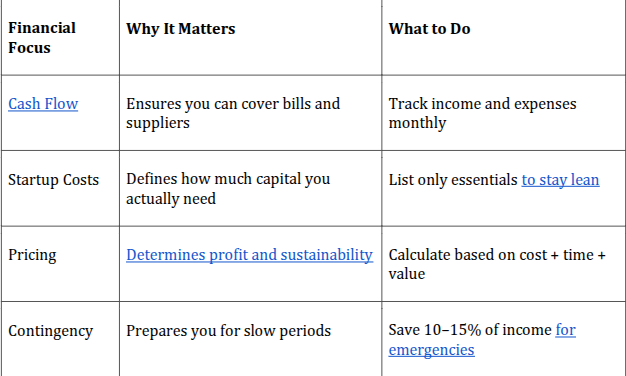
Start small, stay nimble, and reinvest early profits into improving quality or outreach instead of chasing expansion.
Build Local Partnerships and Credibility Communities reward authenticity.
Introduce yourself to nearby business owners, collaborate on cross-promotions, or participate in local events. These relationships compound over time: they turn into referrals, vendor discounts, and unexpected opportunities. A single trusted partnership can create visibility that no paid campaign could replicate. Show up often, help others, and your reputation will do the marketing for you.
Using Modern Tools to Create Visual Impact
Digital storytelling drives attention. Strong visuals make your business feel established even in its early days. Use an AI image generator tool to create campaign graphics, social media posts, or brand mockups that reflect your story and tone. With a few typed prompts, you can instantly generate professional-quality visuals that elevate your message, saving time and design costs while helping your audience recognize your brand quickly.
Checklist for Early Growth
Once your foundation is set, consistency becomes your biggest asset. Stay focused on habits that create traction. Follow this practical checklist to stay organized:
● Clarify your monthly revenue goals and review them quarterly.
● Keep detailed records of expenses and invoices.
● Collect customer feedback regularly, not just after purchases.
● Establish a simple system for scheduling, delivery, or fulfillment.
● Build one small automation (email follow-up, appointment reminder, etc.).
● Track what drives new customers, and double down on what works.
Create Meaning Beyond Profit
As your business gains traction, consider how to strengthen your bond with the community that supports you. Incorporating a charitable or purpose-driven element can help.
Whether you sponsor youth programs, host community workshops, or set aside a percentage of revenue for local causes, structured giving can benefit your business in multiple ways. It builds brand trust, attracts purpose-aligned employees, and can even yield tax advantages. More importantly, it signals that your success is shared with the place you call home.
Stay Responsive to Your Customers
No matter how clear your vision, your customers will ultimately shape your path. Pay attention to the data behind their actions, like repeat purchases, referrals, and engagement, all reveal what’s working. Before making changes, ask yourself one question: Does this make life easier or better for my customers? That answer should guide every pivot, product adjustment, or marketing decision.
Here’s a quick list of signals to watch for:
● Repeat visit or reorder rates increasing
● More organic mentions or reviews
● Requests for related products or services
● Longer dwell time on your site or social content
These indicators tell you you’re building not just a customer base, but loyalty.
FAQ
How do I attract my first customers?
Start locally: friends, neighbours, community groups. Offer a small pilot service or introductory discount to get testimonials. Every early customer is a potential advocate, so make their experience exceptional.
Do I need a business plan?
Yes, but think of it as a living document. Keep it short; focus on problem, solution, target market, and revenue model. You’ll revise it often as you learn.
When should I hire help?
When demand consistently exceeds your ability to deliver on time. Before hiring, define clear processes and responsibilities so you scale without chaos.
How much should I spend on marketing?
Start small; allocate 5–10% of projected revenue. Measure return on each channel before increasing your spend. Organic visibility through partnerships and customer referrals can outperform ads early on.
What if my idea doesn’t take off right away?
That’s normal. Most businesses take months to find rhythm. Keep learning from your audience, adjusting your offer, and improving your message.
Conclusion
Starting a business in your community isn’t about rushing, it’s about building steadily with clarity and care. Focus on solving local problems, serving real people, and reinvesting in relationships. When your work improves lives around you, customers don’t just buy, they believe. And that belief is the foundation every great business stands on.